Sinopsis
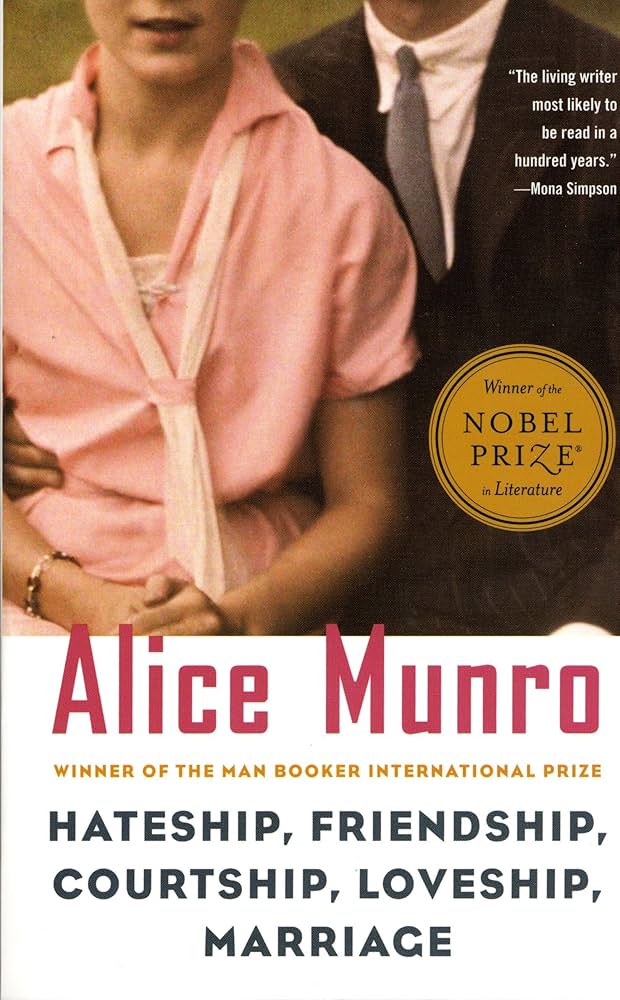
Alice Munro's Hateship, Friendship, Courtship, Loveship, Marriage: Stories acts as a brilliant, deeply resonant mirror for narrative bibliotherapy, bypassing artificial self-help tropes to present the raw, unpredictable textures of human evolution. Munro utilizes the short story format to capture profound "epiphany moments"—subtle, quiet shifts in perception where characters suddenly see their marriages, past mistakes, and aging bodies with absolute clarity. For a reader navigating personal stagnation or relationship upheaval, these stories offer profound validation by demonstrating that self-discovery rarely happens in a straight line, but rather through accidental encounters, moments of grace, and sudden bursts of resilience. The clinical utility of this collection lies in its quiet power to destigmatize regret and loneliness, gently guiding the reader toward acceptance of their own flawed, evolving life narrative.
| Nombor Buku | 813.54/MUN |
|---|
| Tempat Terbitan | New York |
|---|
| Penerbit | Vintage International |
|---|
| Ukuran Tinggi Buku | 9780375727436 |
|---|
Sasaran Biblioterapi
| Bil |
Sasaran |
Bukti Isi Buku |
| 1 |
Individuals undergoing quiet personal transitions, relationship breakdowns, or identity shifts who are seeking reflective comfort rather than overt self-help instructions. |
The characters themselves—ranging from aging women confronting terminal illness in "Floating Bridge" to a housekeeper seeking a fresh start in the title story—reflect an adult demographic dealing with mature, complex dilemmas. The deliberate lack of tidy, happy endings and the reliance on deep, nuanced internal monologues speak directly to an emotionally mature reader looking for authentic human truth. |
Perkembangan Diri
| Bil |
Perkembangan |
Bukti Isi Buku |
| 1 |
Embracing Unexpected Agency and Radical Autonomy |
In the title story, the protagonist Johanna is tricked by a cruel teenage prank into moving across the country to marry a man who did not write the love letters she received. Instead of collapsing into humiliation or victimhood upon discovery, she embraces the chaotic situation with remarkable pragmatism and constructs a real life out of a lie, developing deep personal agency and independence. |
| 2 |
Transitioning from Emotional Stagnation to Vitality |
In "Floating Bridge," Jinny is a middle-aged woman emotionally numb from battling cancer and enduring an exhausting marriage. A brief, unplanned, and tender kiss from a young stranger acts as a psychological catalyst, suddenly breaking her out of her detached state and allowing her to re-engage with her own life, proving that deep self-restoration can happen in a singular moment. |
| 3 |
Reconciliation with Past Choices and Aging Selfhood |
In "Comfort," Nina deals with the aftermath of her husband's assisted suicide, navigating the complex emotions of his physical absence and her own past marital compromises. Her journey through the immediate shock of grief forces her to confront the reality of her choices, ultimately developing a resilient, grounded acceptance of her new solo identity. |