Sinopsis
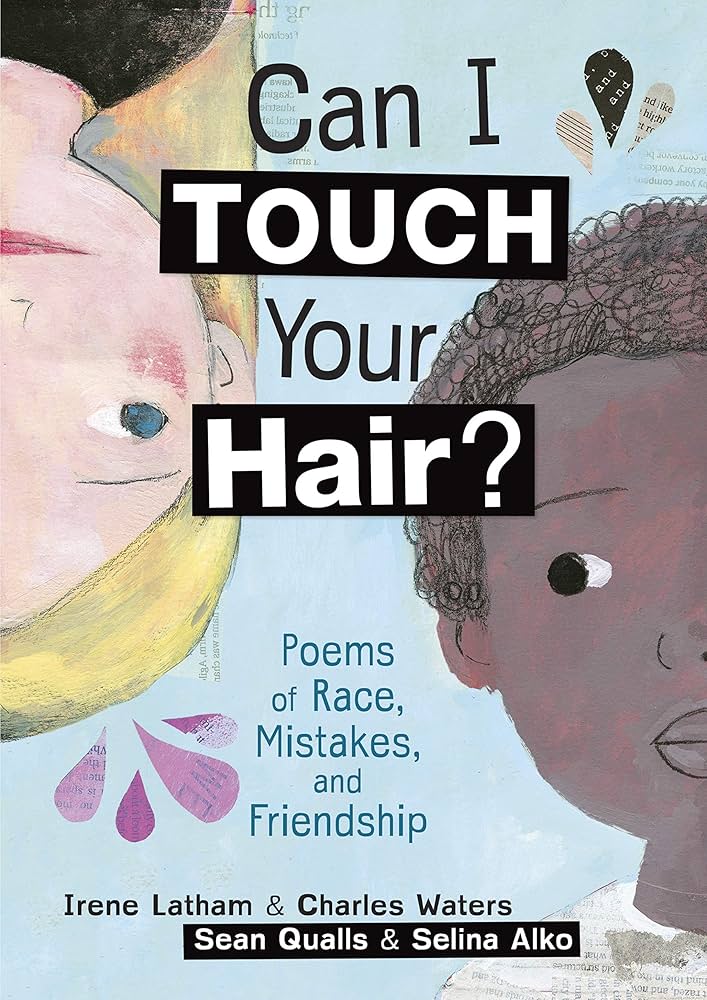
Can I Touch Your Hair?: Poems of Race, Mistakes, and Friendship by Irene Latham and Charles Waters is a powerful, highly accessible tool for developmental bibliotherapy, masterfully using the gentle medium of poetry to externalize the anxieties of childhood racial dynamics. By utilizing a dual-voice structure, the text creates a safe psychological space where young readers can watch characters make social missteps, experience vulnerability, and repair misunderstandings in real time. The book functions effectively as a therapeutic mirror, validating the awkwardness and fear children often feel when confronting differences, while offering a clear blueprint for moving past prejudice into genuine companionship. It gently moves young minds away from defensive isolation and toward active perspective-taking, making it an indispensable resource for any clinician or educator looking to foster empathy, deconstruct implicit biases, and build resilient peer relationships.
| Nombor Buku | 811.6 |
|---|
| Tempat Terbitan | Minneapolis |
|---|
| Penerbit | Carolrhoda Books |
|---|
| Ukuran Tinggi Buku | 9781512404425 |
|---|
Sasaran Biblioterapi
| Bil |
Sasaran |
Bukti Isi Buku |
| 1 |
Middle-grade students and young adolescents (aged 8 to 12 years old) navigating school social dynamics and racial awareness. |
The collection is written entirely from the perspectives of two elementary school classmates, Irene and Charles, who are paired up for a poetry project. The verses directly tackle school-yard realities like choosing playground games, sitting at lunch tables, and navigating classroom partner dynamics, which perfectly mirror the daily lives of middle-grade students. |
| 2 |
Educators, school librarians, and parents seeking an entry point for constructive classroom or household dialogue about diversity and race. |
The book is structured as a dual-narrative dialogue with explicitly paired poems on identical topics (such as "Hair," "The Dinner Table," or "Church"). This direct comparative format is intentionally engineered as a pedagogical tool for adults to spark comparative analysis, critical thinking, and structured conversations about perspective-taking. |
Perkembangan Diri
| Bil |
Perkembangan |
Bukti Isi Buku |
| 1 |
Transitioning from Defensive Assumptions to Vulnerable Curiosity |
In the beginning poems, both characters approach each other with rigid, protective stereotypes based on racial differences. As the project progresses, they develop the courage to ask uncomfortable questions (such as the title question about hair texture), demonstrating self-development by replacing defensive ignorance with respectful, open-minded communication. |
| 2 |
Overcoming Peer Pressure to Claim Personal Integrity |
Throughout the poems, both Irene and Charles experience pressure from their respective friend groups to stay within their racial boundaries. By choosing to sustain their partnership and mutual respect despite playground whispers, both children develop internal moral autonomy and the strength to stand up against social conformity. |
| 3 |
Recognizing Shared Humanity Through Diverse Realities |
By sharing poems about their respective family structures, religious spaces, and home dynamics, the characters move from seeing each other as "different" to finding deep common ground. This cognitive shift shows self-development as they cultivate a mature emotional intelligence that holds room for both individual cultural differences and universal human experiences. |