Sinopsis
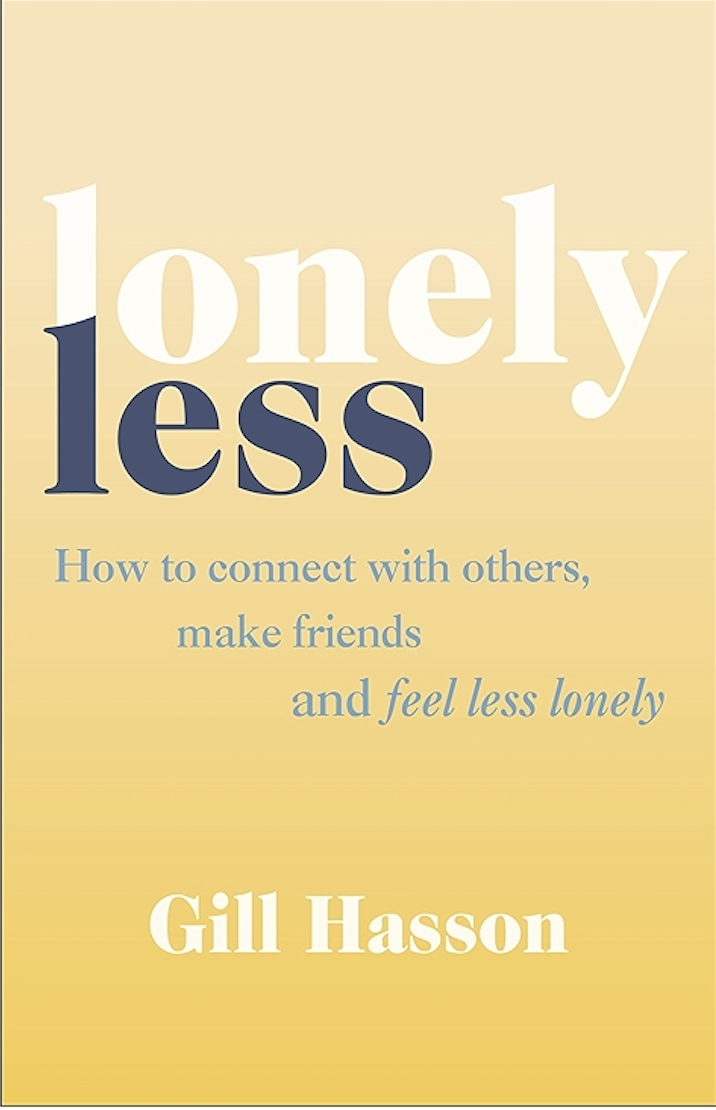
Lonely Less: How to Connect with Others, Make Friends and Feel Less Lonely by Gill Hasson functions as an exceptionally comforting, pragmatic manual for interactive bibliotherapy, offering a warm and profoundly destigmatizing look at the modern epidemic of isolation. Bypassing overly abstract psychological theories, Hasson normalizes loneliness as a natural, universal human alarm system that simply indicates a fundamental need for connection. The text operates as a non-judgmental clinical mirror, validating the reader's intense feelings of being "lost" or "abandoned" while immediately countering despair with structured, manageable micro-objectives. By breaking the daunting, overwhelming task of "making friends" into tiny, sequential behavioral modifications, the book provides a highly effective cognitive-behavioral framework that disarms the paralyzing fear of social rejection. Ultimately, it is a vital therapeutic text that empowers readers to dismantle their own psychological walls, step outside their comfort zones, and actively build an authentic, lasting network of emotional support.
| Nombor Buku | 158.2 |
|---|
| Tempat Terbitan | Hoboken, NJ |
|---|
| Penerbit | Wiley |
|---|
| Ukuran Tinggi Buku | 9780857089045 |
|---|
Sasaran Biblioterapi
| Bil |
Sasaran |
Bukti Isi Buku |
| 1 |
Isolated adults and introverted individuals who actively struggle to build friendships, feel awkward in social settings, or find themselves physically or emotionally disconnected from peer networks. |
Author Gill Hasson directly structures chapters around beginner-friendly advice on "how to meet new people and make friends", step-by-step guidance on how to safely "fit in and be in tune with others", and immediate, actionable micro-steps tailored for adults trying to integrate into new social ecosystems. |
| 2 |
Remote workers, digital nomads, and individuals processing trauma or deep life transitions that have cut them off from ordinary social environments. |
: The text includes distinct, specialized strategic sections that provide specific "recommendations for keeping connected when working from home" as well as clinical advice tailored for "managing existential loneliness"—the specific, devastating form of detachment that frequently follows a traumatic experience. |
Perkembangan Diri
| Bil |
Perkembangan |
Bukti Isi Buku |
| 1 |
Cognitive Separation of Loneliness and Solitude |
The text actively trains the reader to understand that being alone (solitude) is a neutral physical state or positive choice, whereas loneliness is a painful subjective emotion. By deconstructing this cognitive distortion, the book guides readers to reframe and peacefully manage their solitary time, transforming hours of painful isolation into a productive practice of self-relationship and emotional grounding. |
| 2 |
Development of Low-Stakes Social Conversational Literacy |
Hasson provides structural conversational blueprints designed to lower the stakes of human interaction. By teaching readers how to initiate tiny, non-threatening daily connections—such as casual small talk with cashiers or neighbors—the book systematically rebuilds the reader's baseline social confidence, expanding their comfort zone so they can gradually transition from passive avoidance to active social engagement. |
| 3 |
Proactive Self-Agency in Curating Support Communities |
Rather than allowing the reader to wait for others to rescue them from isolation, the book provides strategies to intentionally engineer a personalized sense of belonging. By showing readers how to map out their core values, look for common ground, and voluntarily insert themselves into spaces with shared interests, the book fosters a deep sense of personal agency over one’s social destiny. |