Sinopsis
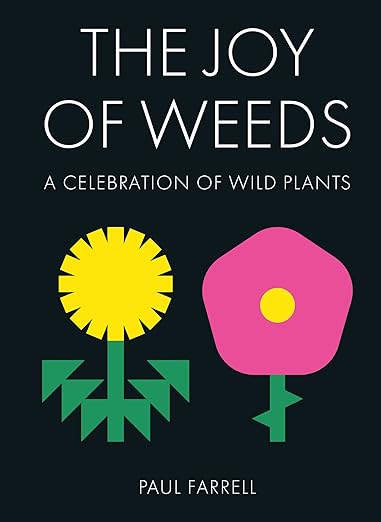
"The Joy of Weeds: A Celebration of Wild Plants" by Paul Farrell, guiding readers to find beauty and intrinsic value in what society often dismisses as unwanted or useless. Moving away from a rigid mindset that labels wild nature as a problem to be eradicated, the book uses bold modernist illustrations and historical accounts of 50 common wild plants to explore how "weeds" actually serve as food, medicine, and critical supports for our ecosystem. By shifting the perspective from viewing these plants with annoyance to viewing them with appreciation, Farrell creates a metaphor for our internal lives. The text prompts individuals to stop trying to cultivate an artificially perfect external image and instead embrace a little "rewilding," recognizing their own unconventional qualities and neglected struggles as valuable parts of their personal identity.
| Nombor Buku | 581.6/3 |
|---|
| Tempat Terbitan | London, England |
|---|
| Penerbit | Portico, an imprint of Pavilion Books Company |
|---|
| Ukuran Tinggi Buku | 9781911622635 |
|---|
Sasaran Biblioterapi
| Bil |
Sasaran |
Bukti Isi Buku |
| 1 |
Urbanites Disconnected from Nature and Trapped in Rigid Routines |
The text explicitly speaks to individuals whose heavily managed environments have cut them off from natural patterns. This is proven by the author's critique of over-managed modern living: "The intolerance of weeds is a mark of how we have turned our backs on nature and urbanized our land and lives". |
| 2 |
Individuals Facing Feelings of Worthlessness or Societal Rejection |
The narrative directly acts as a comforting guide for anyone who feels like they do not fit into rigid societal standards of success. This is proven by how the book challenges basic labels to validate overlooked value: "To call a plant a weed is doing it a real injustice... One person's weed is another's wild beauty". |
Perkembangan Diri
| Bil |
Perkembangan |
Bukti Isi Buku |
| 1 |
Growth in Cognitive Flexibility |
The text teaches readers to systematically re-evaluate their negative automatic thoughts by seeing beauty in what was previously disliked. This is proven as the book prompts a mindset shift from “loathing to loving” everyday wild plants. |
| 2 |
Growth in Authentic Self-Acceptance |
The book encourages readers to drop their perfectionistic masks and appreciate their uncultivated, raw qualities. This self-development is driven by Farrell's core call to action regarding personal growth, where he outlines "the benefits of rewilding ourselves a little". |
| 3 |
Growth in Mindful, Non-Judgmental Observation |
The handbook builds a capacity for quiet awareness, training readers to pause and study the intricate value of common things like dandelions and thistles. This growth is driven by the text pairing graphic art with "quirky history and its uses in medicine, cooking, arts and even industry," proving that everything has a purpose if we pay attention. |