
27 September 2026

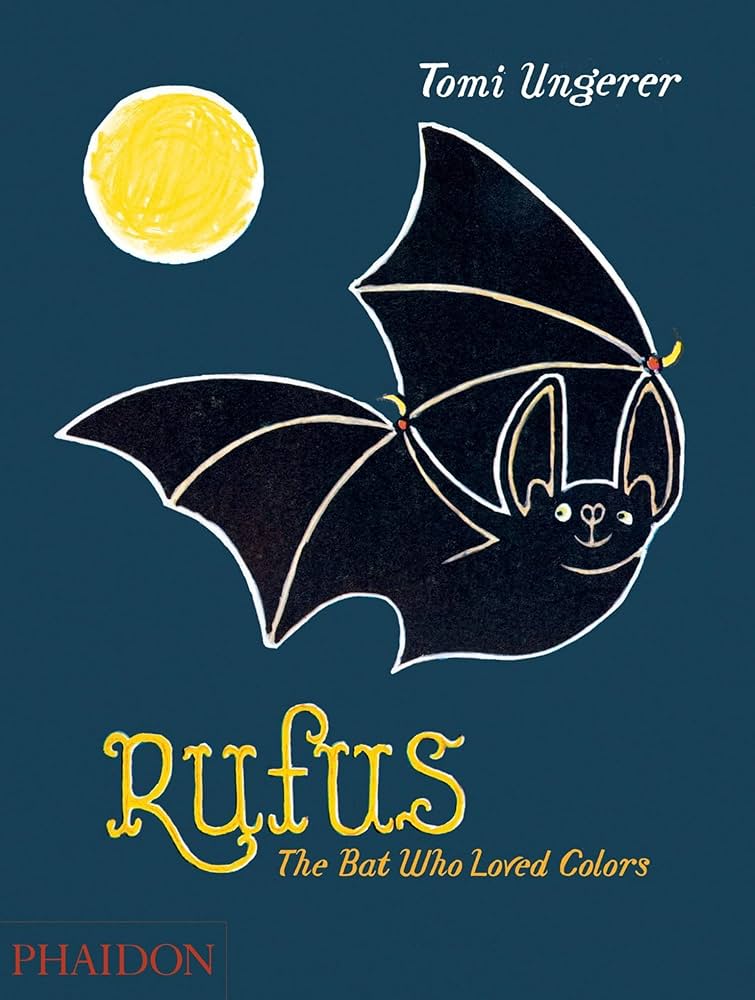
| Nombor Buku | 843.914 |
|---|---|
| Tempat Terbitan | London |
| Penerbit | Phaidon |
| Ukuran Tinggi Buku | 9780714869728 |
| Bil | Sasaran | Bukti Isi Buku |
|---|---|---|
| 1 | Young Children Navigating Individuality and Peer Acceptance | Proof 1: The book mirrors a child's natural desire to alter themselves to fit in when Rufus becomes dissatisfied with his all-black appearance and uses a palette of paints to color his ears pink, hooks blue, and feet violet. Proof 2: The plot illustrates the painful reality of bullying and social exclusion when prejudiced humans throw objects, shoot at him, and violently force the modified Rufus out of the sky simply because he looks bizarrely different. |
| 2 | Outcasts, Minorities, or Individuals Seeking Authentic Belonging | Proof 1: The narrative details the emotional toll of trying to assimilate into a world you don't belong in, highlighting that daylight literally hurts Rufus’s eyes and causes him severe headaches. Proof 2: The text features Dr. Tarturo, an open-minded butterfly collector who looks past Rufus's superficial paint, gently bathes him back to his natural state, and nurtures him—proving that safe, authentic relationships value your true self. |
| Bil | Perkembangan | Bukti Isi Buku |
|---|---|---|
| 1 | Overcoming External Validation and Loving One’s Natural Identity | At the start, Rufus experiences a crisis of self-worth and covers his natural body with paint. His ultimate personal growth happens when he willingly lets Dr. Tarturo wash off the artificial layers of paint. By returning to his cave in his original form, Rufus proves he has developed the self-awareness to love and accept himself exactly as he was born. |
| 2 | Embracing Personal Limits and Practicing Self-Care | Rufus undergoes critical emotional and physical growth when he confronts his physical boundaries rather than blindly forcing an unnatural lifestyle. After trying to adapt to the day with dark sunglasses and medicine, he looks at a black-and-white television and consciously realizes he genuinely misses his dark cave. His choice to return home shows the emotional maturity required to prioritize his own health and comfort over a superficial desire for daylight. |
| 3 | Fostering Interdependence and Building Healthy Relationships | Rufus’s development shines through his ability to form an unconventional, mutually supportive friendship that respects personal differences. Instead of isolating himself after his trauma, he establishes a healthy balance with Dr. Tarturo. He lives happily in his natural night habitat but chooses to fly back after sunset to visit the doctor and help catch night moths for his collection, showing social growth through shared happiness and respect. |